Solar
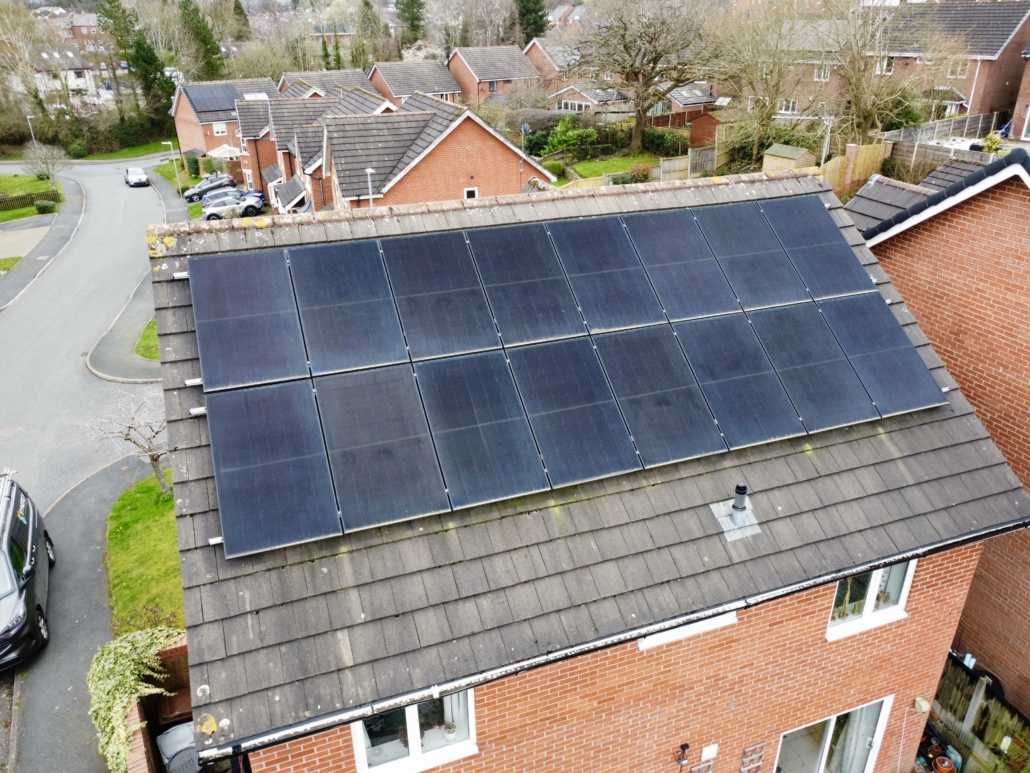
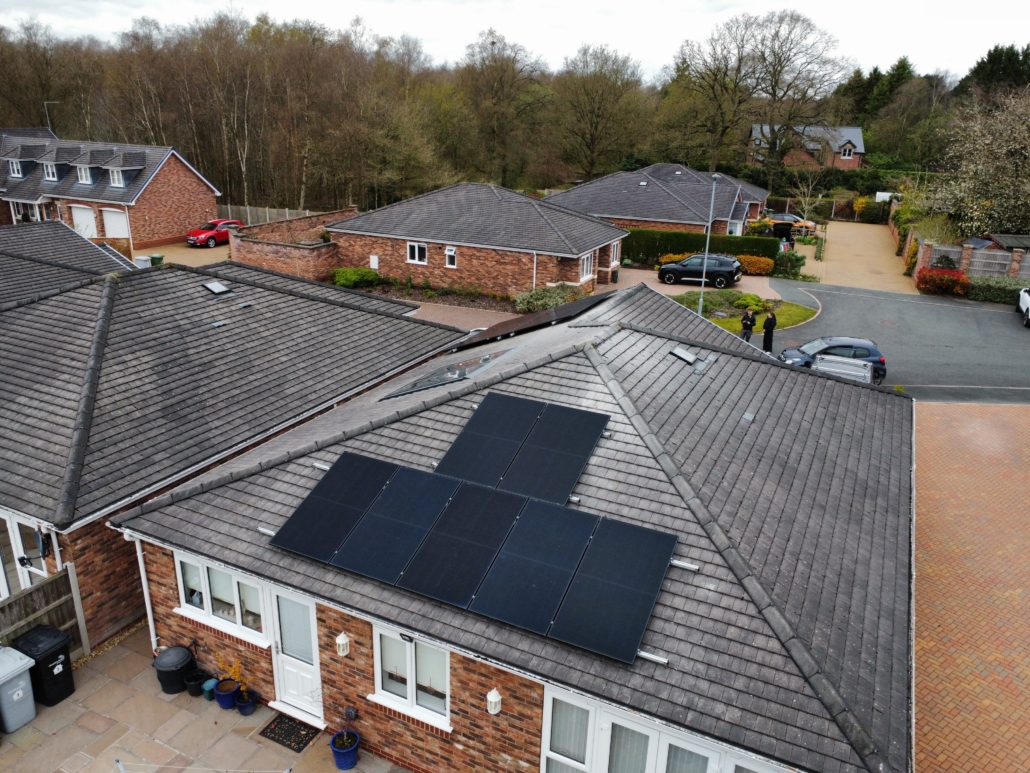
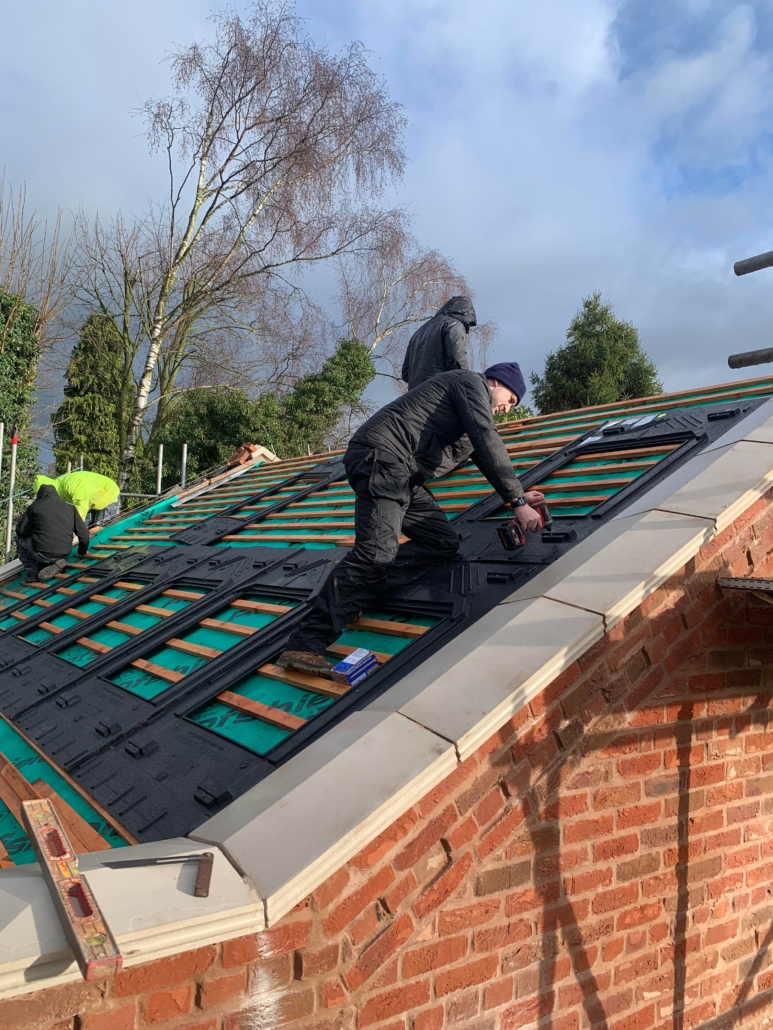
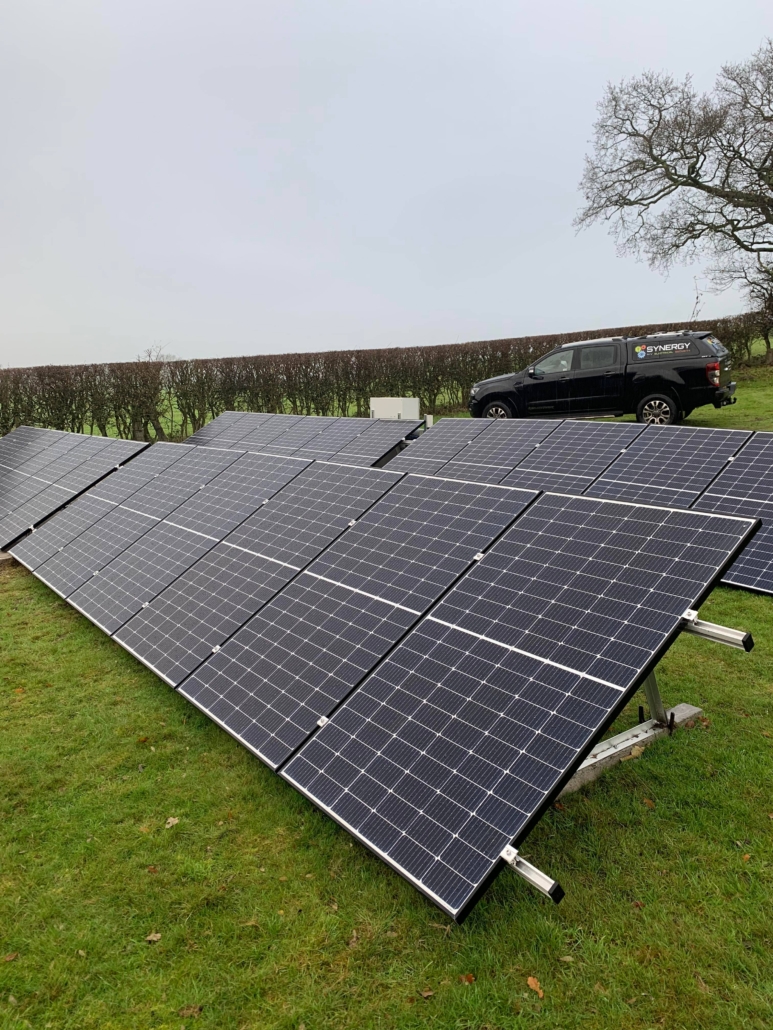
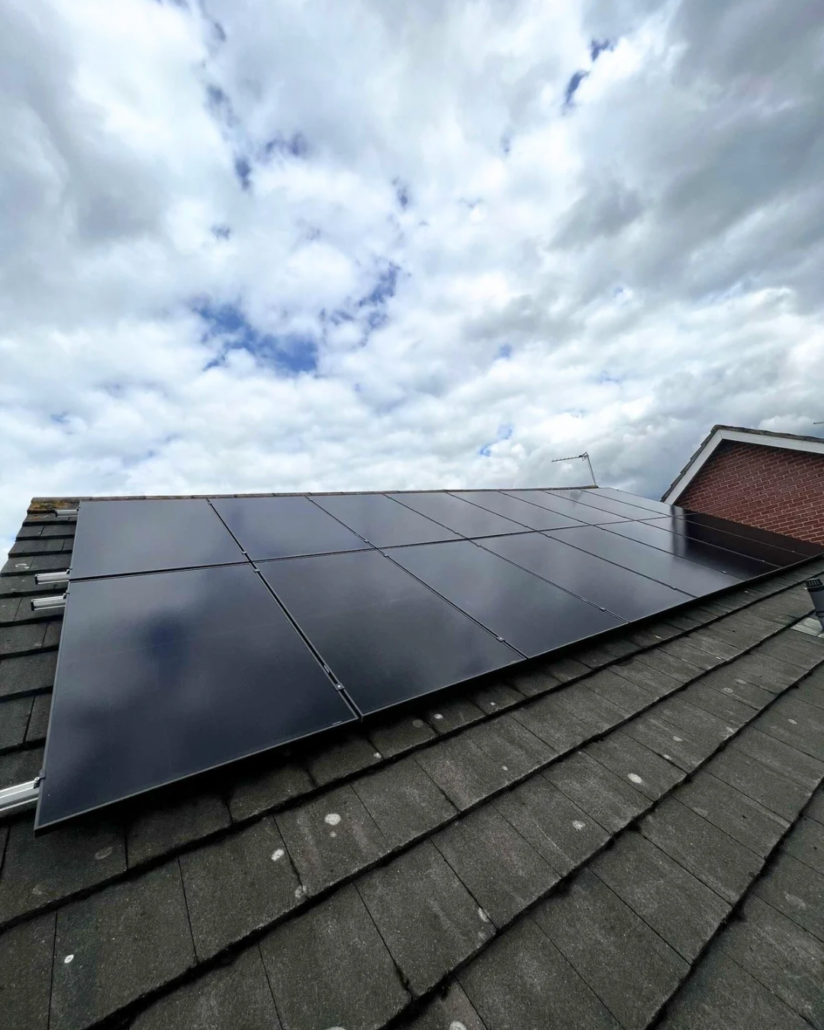
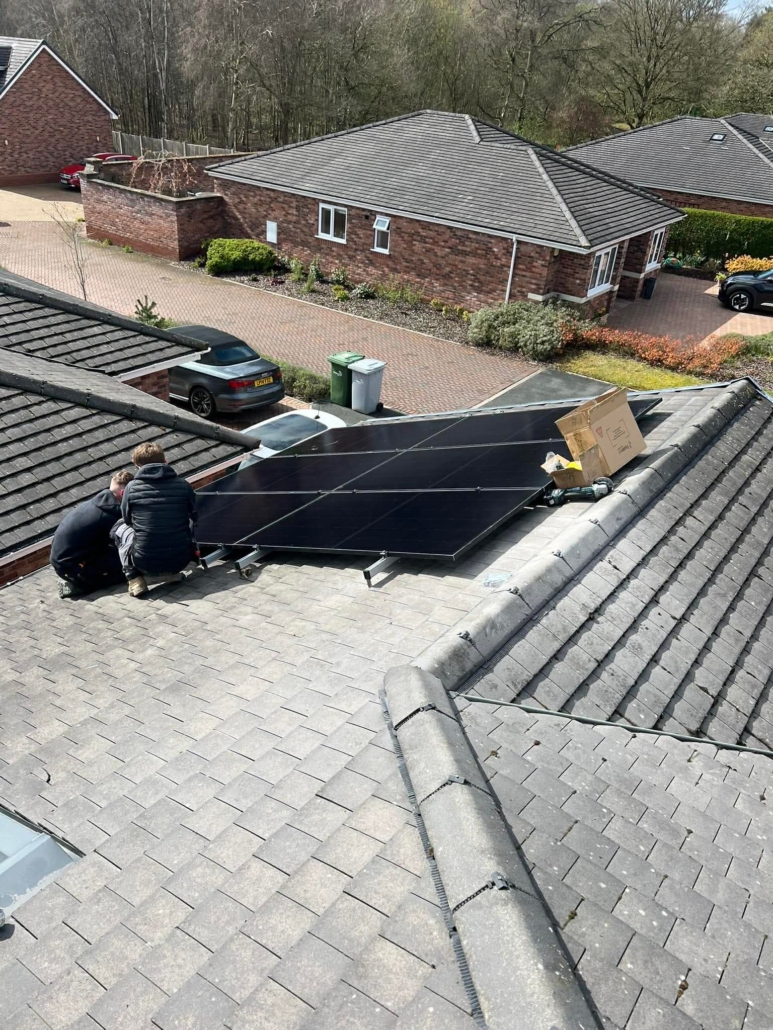
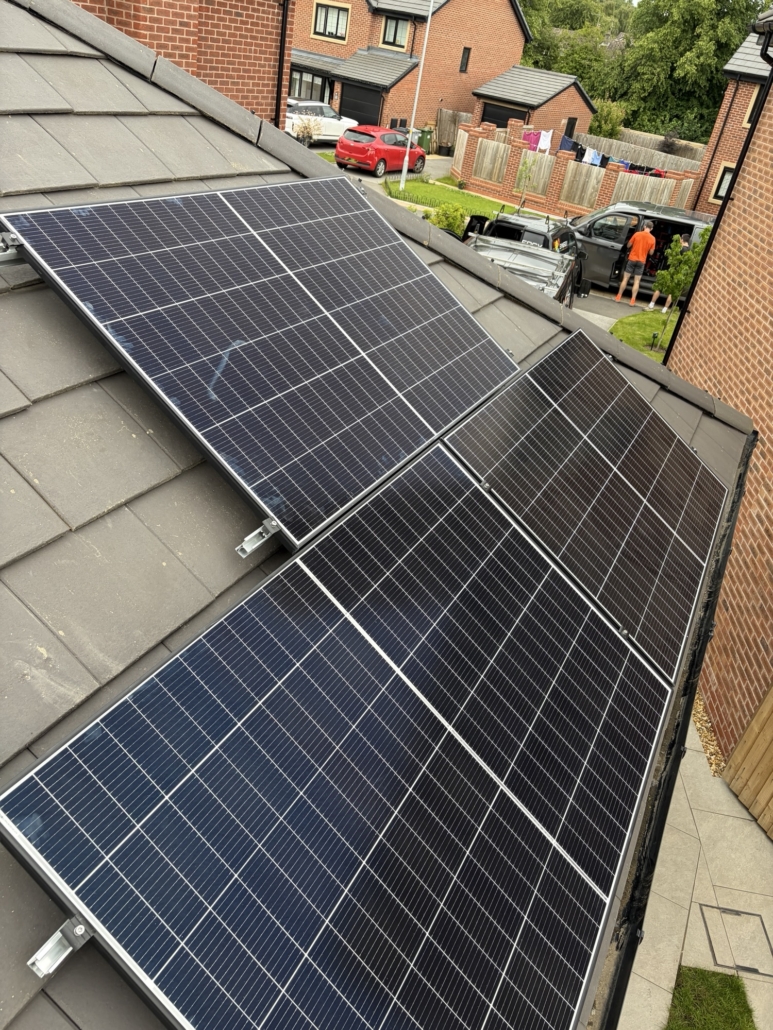
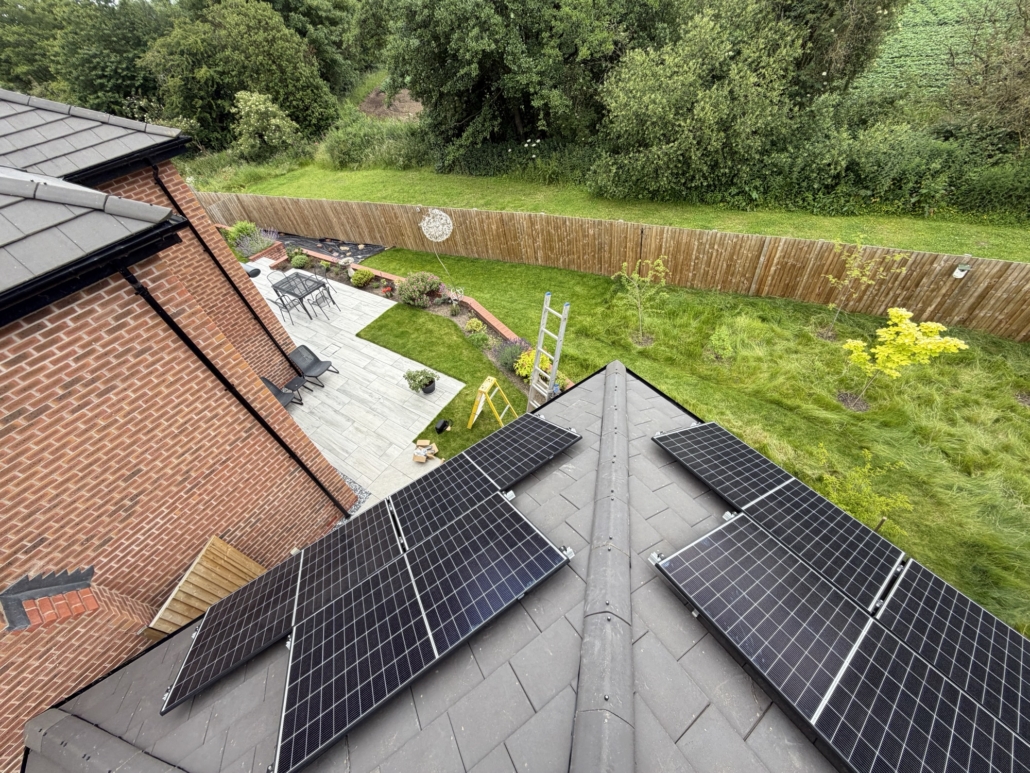
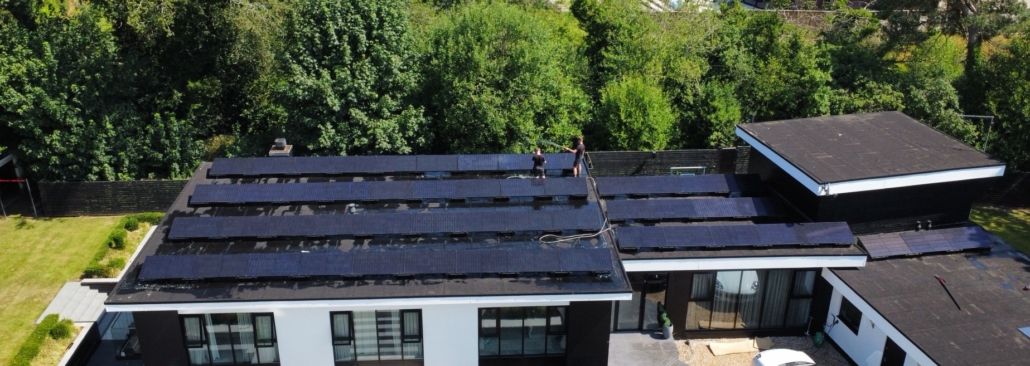
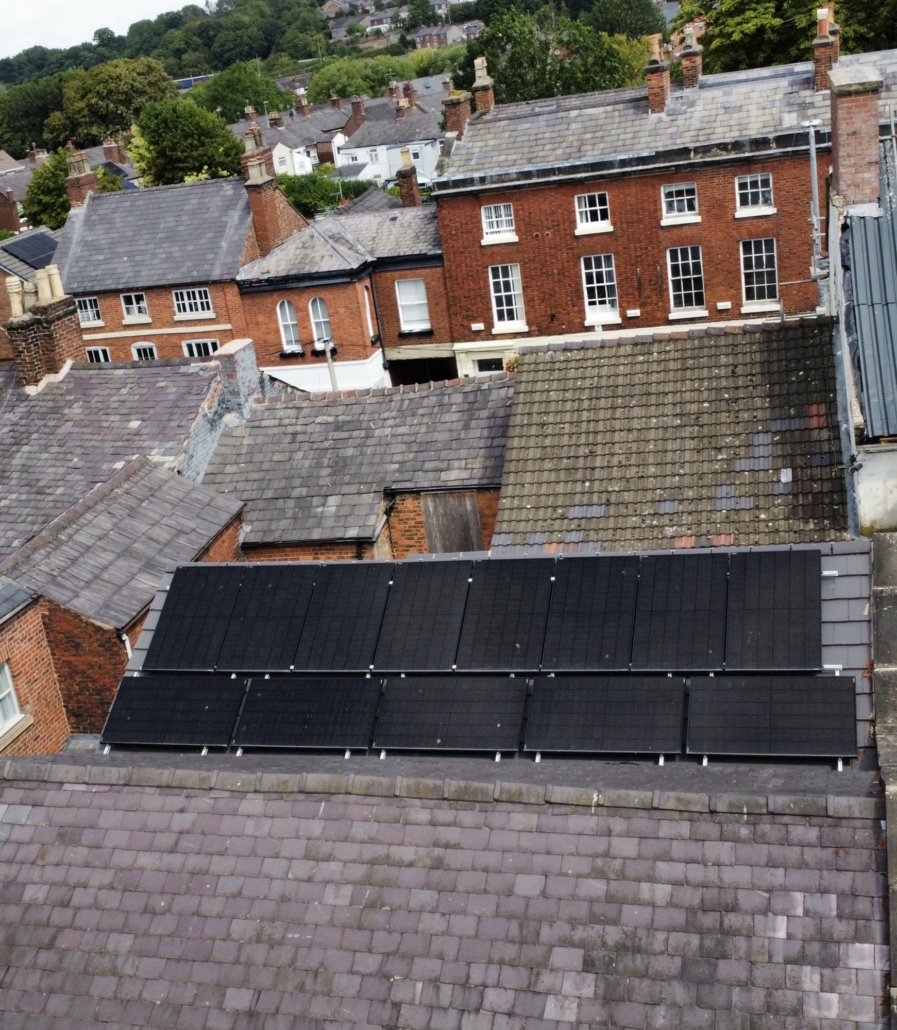
Our electrical division of Synergy offers full solar design and installations.
A Solar PV system is a sustainable, low maintenance option for anyone who wants to contribute to a greener environment. Thanks to the flexibility of modular photovoltaic arrays, PV systems offer many different designs and a wide variety of electrical needs, regardless of how large or small the installation surface is.
As well as numerous other advantages, these systems do not cause any pollution or emissions providing a reliable green energy solution.
Ready to help you make the move to greener, cleaner energy supply
Solar energy is currently the fastest growing source of electricity in the world. By adding Solar PV Panels and Battery Storage to your property, you can reduce your annual energy bills by up to 70%. There has never been a better time to invest due to rising gas and electricity prices.
Solar Photovoltaic (PV) cells convert sunlight directly into electricity without creating any air or water pollution and avoiding the use of fossil fuels, focusing solely on green energy.
MCS is a mark of quality and certifies low-carbon products and installations used to produce electricity and heat from renewable sources and is a recognised mark of high standard, quality and safe workmanship. As Accredited MCS Installers, we install Solar technology to the highest of standards. All whilst achieving energy efficiency.
COMPONENTS OF A SOLAR PV SYSTEM
Solar Panels
Solar Panels are made up of a number of smaller silicon solar cells that convert sunlight directly into electricity.
These are typically protected between a glass front sheet, and a polymer back sheet, with everything being held together by an aluminium frame. They usually come pre-assembled with cables so that they can easily be connected together and to an inverter. Different solar panel types have varying efficiencies, which changes the amount of power that can be generated by a given area of rooftop.
Inverters
The inverter is the device in a system that converts the direct current (DC) electricity produced by the solar panels into the alternating current (AC) electricity that is typically used in homes. There are three main inverter technologies to choose from, string inverters, string inverters plus DC-to-DC optimizers, and micro-inverters. While string inverters are currently the most common option, the use of micro-inverters and DC optimizers continues to increase as costs go down.
String Inverters
When string inverters are used solar panels are connected in series into strings, and multiple strings are connected in parallel to each inverter, which is called an array.
String inverters tend to be the cheapest option as there is only one device to install for many solar panels, they are also typically more efficient at converting from DC to AC electricity. One problem with string inverters however is that when one solar panel in a string is shaded or has its output lowered by soiling from dust, bird droppings, etc, all the other modules in the string are also affected.
DC-to-DC Optimizer’s
DC-to-DC optimizers are used to solve the issue of shading on one solar panel affecting all modules in a string. They are smaller devices that connect to just one or two panels and optimize the output of each panel or panels individually. As they still output DC electricity they still need to be connected to a string inverter to convert to AC electricity.
Since they optimize output at a module level, DC-to-DC optimizers can increase the total output of a solar system, especially one that is subject to a lot of shading or soiling. The downside is that they increase the system cost compared to using string inverters alone.
Micro Inverters
Micro-inverters are similar to DC-to-DC converters in that they optimize the output of solar panels at the panel level. The difference is that they also perform the DC to AC conversion so that no string inverter is required at all. Micro-inverters may be mounted externally to the solar panel, or even come integrated into the module in what is called an AC module. Using micro-inverters can greatly reduce the complexity of the system and therefore the installation costs, however, due to their higher price, still typically result in a higher price for the system overall.
Inverter Functions
As well as converting the DC electricity from the sun into AC electricity, the inverter also performs other important functions, these include:
- Optimizing the power output of the solar panels.
- Controlling battery charging if a battery is installed and the inverter offers this function. Otherwise done by an external charge controller.
- Monitoring the system.
- Safety functions such as disconnecting from the grid in case of an outage.
Batteries
Including batteries in a solar PV system allows the energy produced by the solar panels to be stored for use after the sun goes down. They are almost always required in an off-grid system (unless another backup such as a diesel generator is available), however, there are also several reasons you may want to include them in grid-tied systems too:
- To allow the system to run during grid outages (systems without a battery will not run during an outage, even if the sun is shining).
- If the local utility or state laws do not allow electricity to be fed back into the grid.
- To sell the electricity back to the utility when power prices are higher, again depending on local utility or state laws.
Charge Controllers
Charge controllers are used when you want to include batteries in your system (and when you are not using a hybrid inverter).
They control the power going to the batteries, and may also provide the following functions:
- Prevent the batteries from being overcharged or overly discharged.
- Prevent the batteries from discharging at night via the solar panels.
- Provide monitoring of the batteries and solar panels.
We hope this has provided an in-depth introduction to Solar PV Systems and you are now excited to dive into a greener world!
If you’d like to read our latest in-depth blog post guiding you right through the installation process to how we mount the solar brackets click here
Maintenance Options
Basic Solar PV Maintenance:
Our Basic PV Maintenance includes a yearly site visit where we check the whole system over, clean the panels, and ensure everything is performing well.
Pro Solar PV Maintenance:
Our Pro PV maintenance includes everything mentioned above, with additional benefits: we visit the site every 6 months, perform monthly remote system health checks, and add you to our monitoring platform, which is reviewed daily.
Alternatively, there is an app which is easy to use and shows when the panels need to be cleaned. This option is something you’d carry out yourself.
Frequently Asked Solar PV Questions
What is a Solar PV System?
A Solar PV System is able to generate, store and power your home or business of 100% renewable energy from the sun. The Photovoltaic Cells or Solar PV Panels collect packets of the suns energy from sunlight, and converts in into Direct Current (DC). This current through your inverter is then changed into Alternating Current (AC) to be used domestically or commercially.
Can Solar PV charge my electric vehicle?
The answer is yes! Solar photovoltaic (PV) panels generate electricity that can be used not only to power your home appliances but electric vehicles too. All you need is an electric vehicle charger with a solar feed this diverts your excess solar energy from your Solar PV Panels directly to your plugged in vehicle. If you plan on using off-peak times to charge you car, you’ll need a solar battery to store the solar energy you’ve generated throughout the day! It does all the work for you!
How does the weather affect the generation?
Solar PV does not require direct sunlight to produce energy. It does however require light not heat. This means even on an overcast cool day your PV system will generate energy. The output generated from your PV system will fluctuate throughout the year and will be most effective during the summer season.
Check out our blog for more…
ACCREDITED BY: